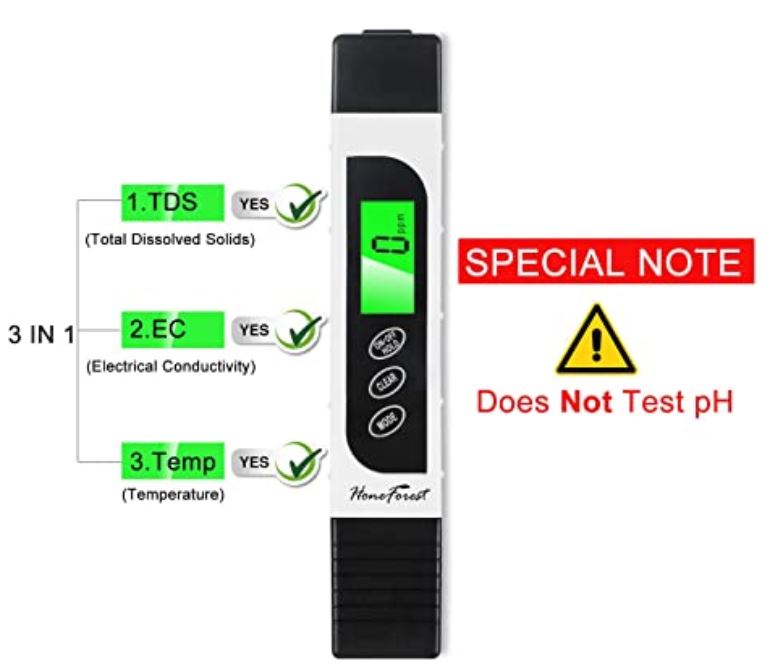
Students use household materials and a conductivity probe to explore factors that affect the conductivity of electrolytic solutions. Students gain experience in molarity and dilution calculations, solution preparation, nomenclature, statistical analysis, and graphical presentation of data. This hands-on activity is flexible and can be modified to accommodate both high school and undergraduate courses. Students can safely complete it either at home or in the lab.
Supplies
- Conductivity probe
- Balance
- 100 mL graduated cylinder
- 1 mL plastic graduated pipettes
Household chemicals
- Sodium chloride
- Sodium bicarbonate (baking soda)
- Sodium carbonate (washing soda)
Optional materials for further testing
- Lemon juice
- Lime juice
- Sugar
- Vinegar
- Rubbing alcohol
- Antacid tablets
- Borax
The neighbor kids and I conducted a simple experiment in my kitchen to prove we could use this conductivity meter ($15) reliably.
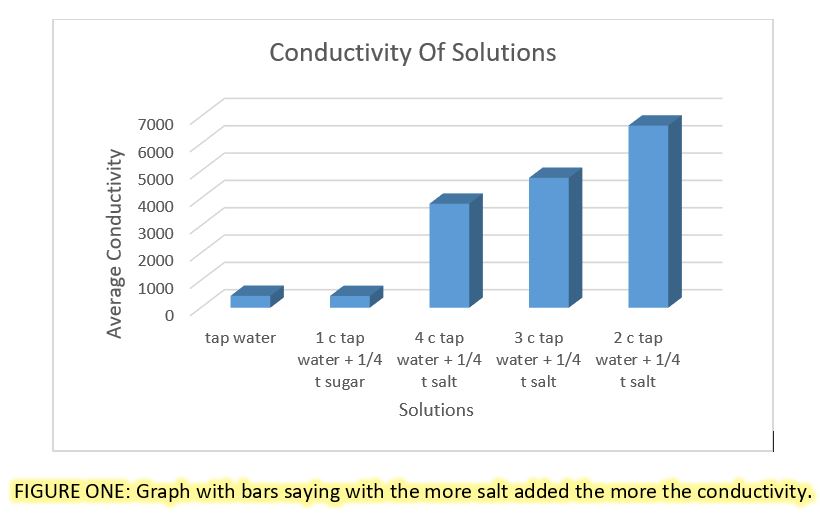
The meter works great and gave us reproducible readings. Shoutout to my neighbor kid, Sophia, who helped perform these measurements and created this graph!
I am *always* looking for ways to improve these experiments. Don’t hesitate to reach out if you have questions or suggestions for improvements. I’d love to hear from you!