
In this inquiry lab, students use a paper microfluidic device to measure the acetic acid content of vinegar. By Marya Lieberman, Kimberley Frederick, Vincent Remcho, and Renee Cole https://sites.google.com/view/micro-engaged-lab-learning/lab-materials/vinegar-titration-lab Description: The titrator […]
At home Hands-on Experiments
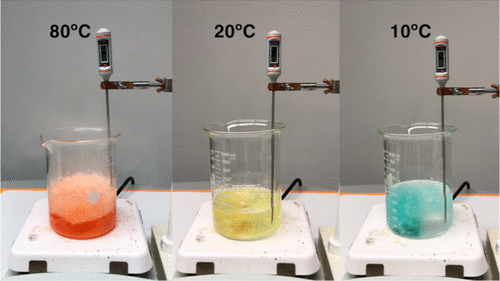
In this fun and colorful experiment, students make their own bath bombs and investigate the effect of temperature on reaction rates. by Meaghan Cabassa and Beth L. Haas* J. Chem. Educ. 2020, […]
Students tackle the deceptively simple task of determining the pressure of carbon dioxide gas inside a sealed soft drink can. By Hans de Grys, Journal of Chemical Education 2007, 84, 7, 1117 Abstract Soft drinks […]
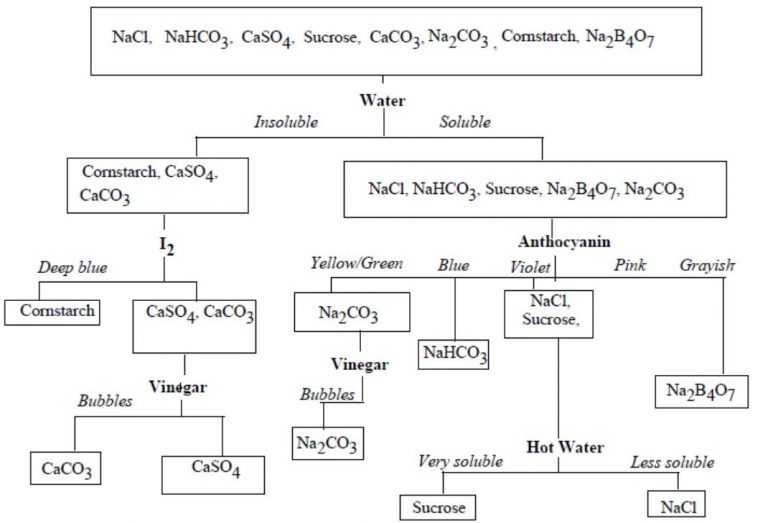
Students investigate 8 household white powders and classify them based on their physical and chemical properties. Using their findings, students then identify an unknown powder obtained from a crime scene to determine […]
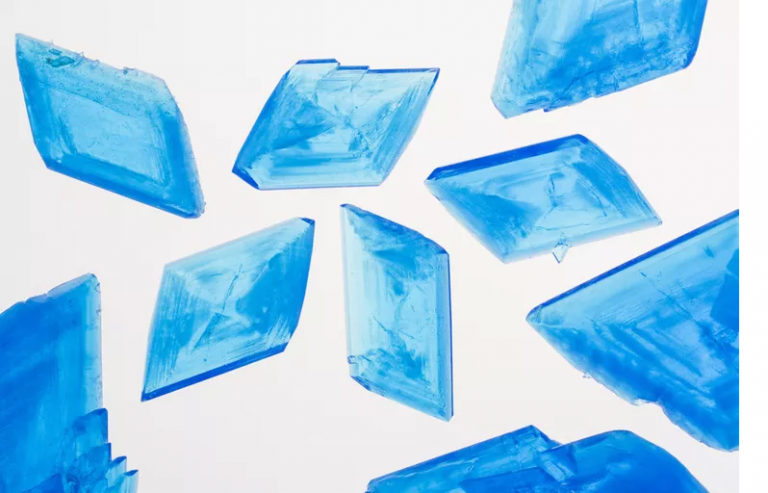
Adapted From Multiple Sources. Compiled Natalie Ulrich, (PhD) Many covalent and ionic compounds are solids at room temperature. Solids may exist as crystalline solids—that is, ordered arrays of atoms, ions, or molecules—or […]
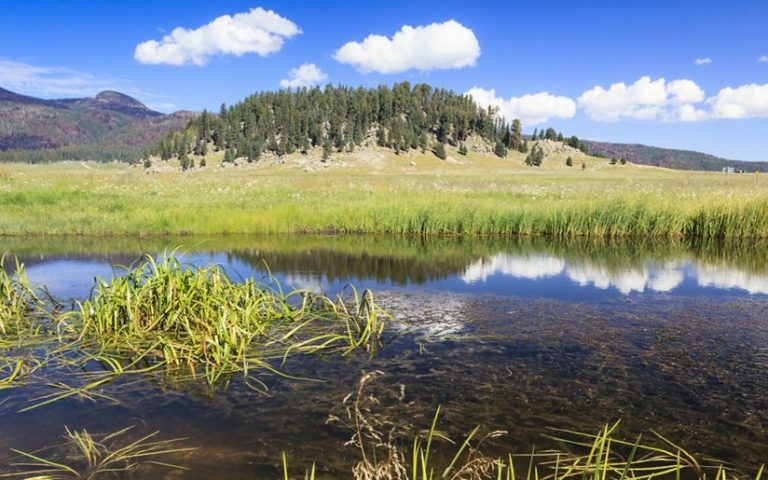
The End Creek Water Monitoring Project by Anna Cavinato, Eastern Oregon University This is an adaptation of a previously published lab module on the ASDL website; Cavinato, A. G.; Antell, K. End Creek: […]
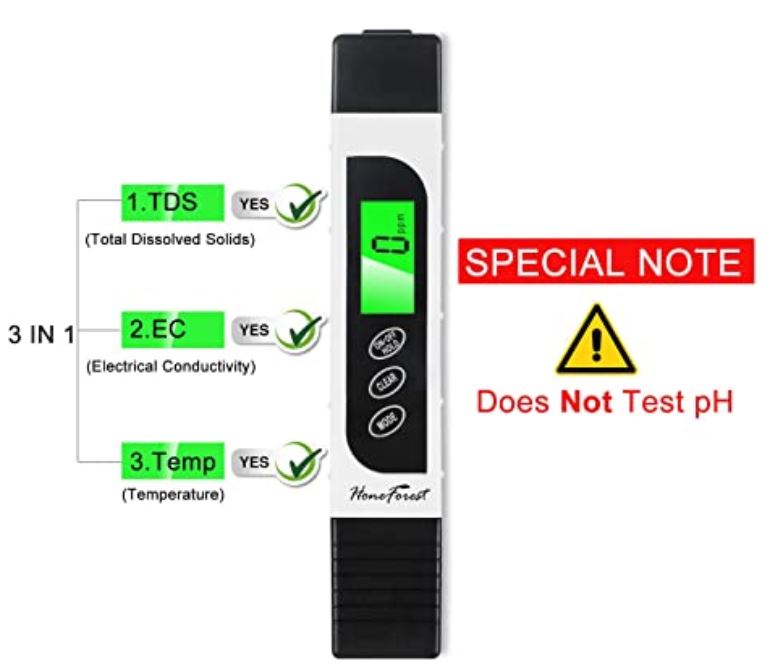
Students use household materials and a conductivity probe to explore factors that affect the conductivity of electrolytic solutions. Students gain experience in molarity and dilution calculations, solution preparation, nomenclature, statistical analysis, and […]
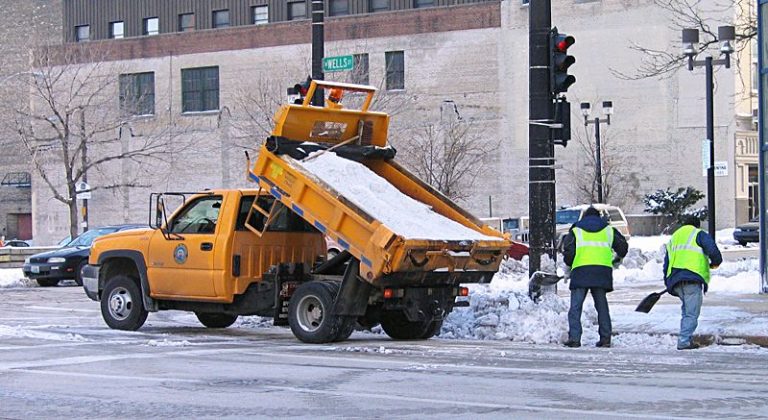
From BeyondBenign.org and J. Chem. Ed., 82 (1), 2005, 116-119. Compiled Natalie Ulrich, (PhD) If you’ve ever made ice cream at home, you know the recipe calls for adding salt to ice to cool down […]
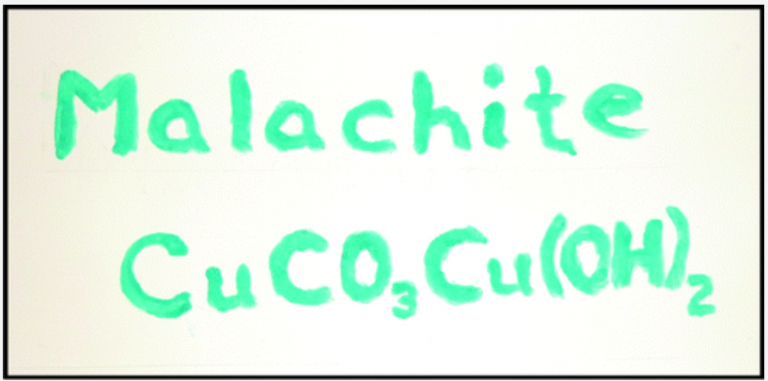
Students synthesize the copper pigment malachite, then use the pigment to prepare egg tempera paint. Students explore “stoichiometry (excess reactants and yields), solubility, precipitation, and properties of emulsions” in this Journal of […]
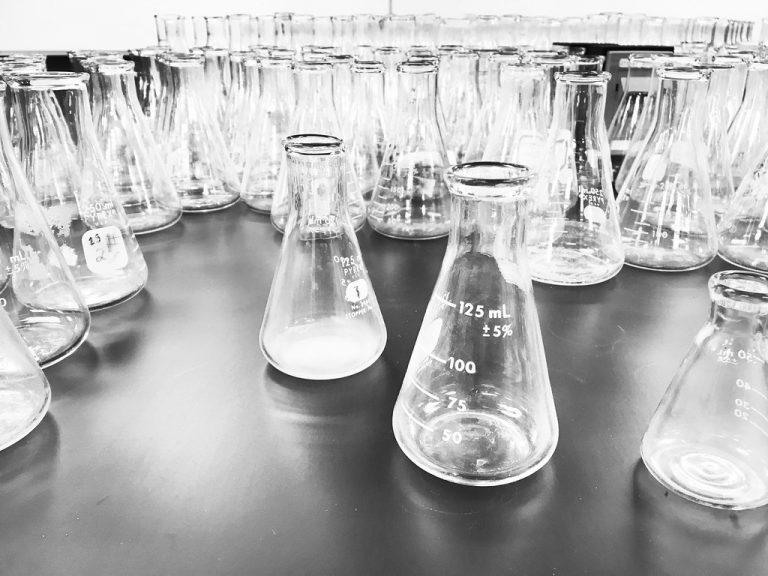
Hands-on learning in a remote laboratory environment. This Journal of Chemical Education Article by Deon T. Miles and William G. Wells of the Department of Chemistry, Sewanee: The University of the South […]
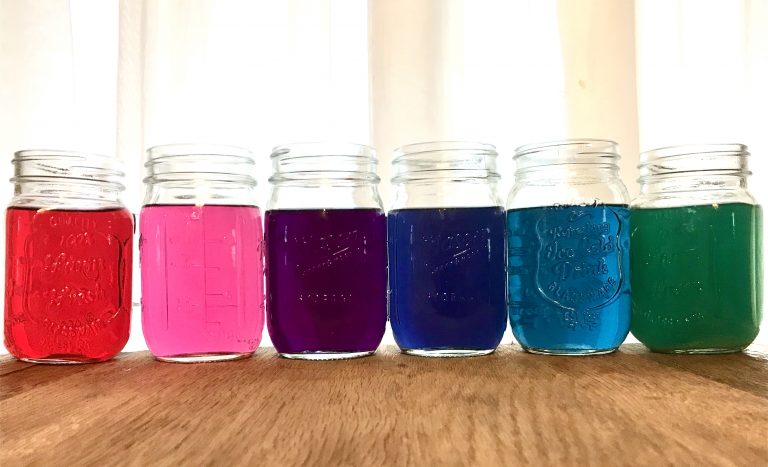
Overview Adapted from Scientific American and Connections Education In this colorful experiment, students extract red cabbage indicator (an anthocyanin) with isopropyl alcohol or water. Students then create a series of solutions of […]
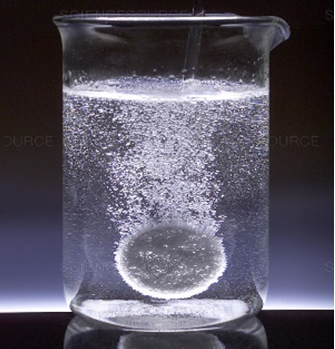
Use the (really fun!) reaction between the sodium bicarbonate in Alka-Seltzer tablets and vinegar to explore stoichiometry, percent composition, and limiting reactants. This experiment is easily and safely reproduced at home using […]