
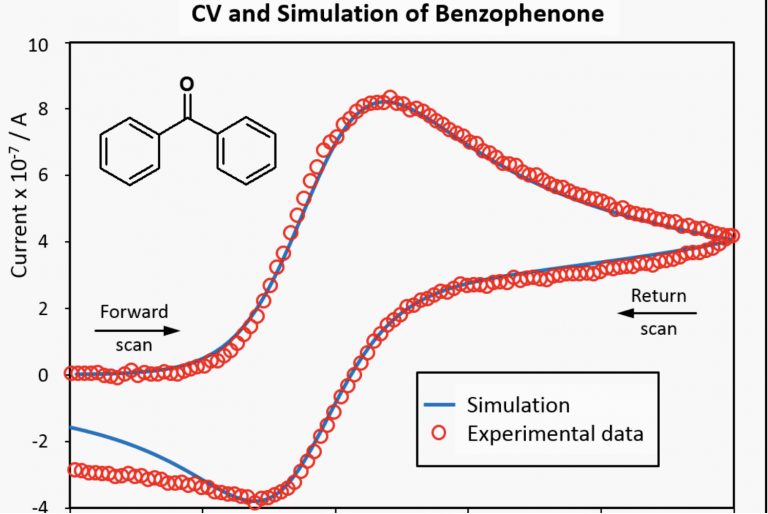
By Jay Brown, from Southwest Minnesota State University, included in the library on 1/20/2022 The enclosed file is an updated version of a simple cyclic voltammetry (CV) simulator written in Microsoft Excel. […]
Remote Labs Resources
Browse resources, explore categories, and discover materials contributed to the ASDL library.
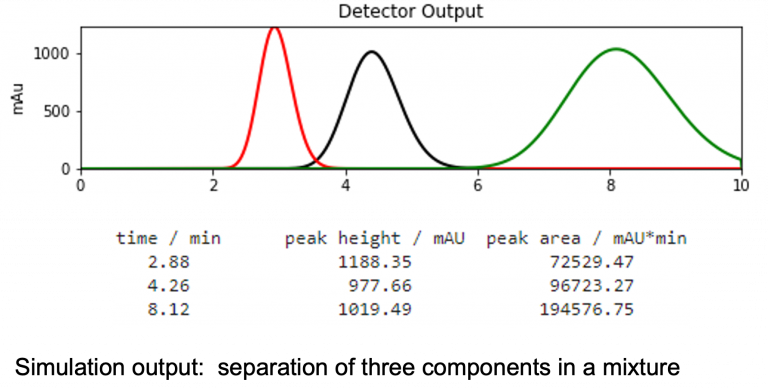
This simulated lab activity was developed by Dr. Mark Perri from the Department of Chemistry at Sonoma State University. Use of this activity in a remote learning environment was published in a […]
In this inquiry lab, students use a paper microfluidic device to measure the acetic acid content of vinegar. By Marya Lieberman, Kimberley Frederick, Vincent Remcho, and Renee Cole https://sites.google.com/view/micro-engaged-lab-learning/lab-materials/vinegar-titration-lab Description: The titrator […]
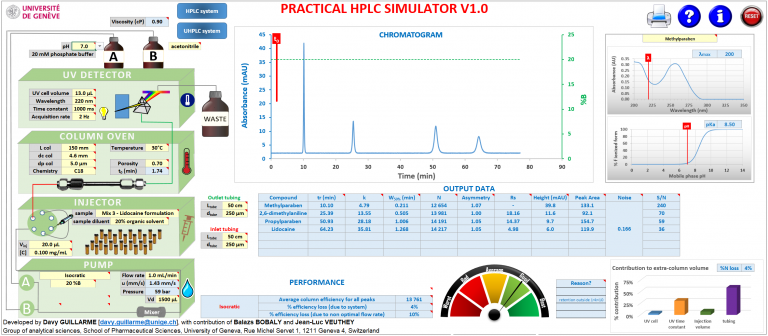
This simulation provides students with a highly customizable HPLC simulator that can allow them to collect realistic data for many compounds under a wide range of conditions.
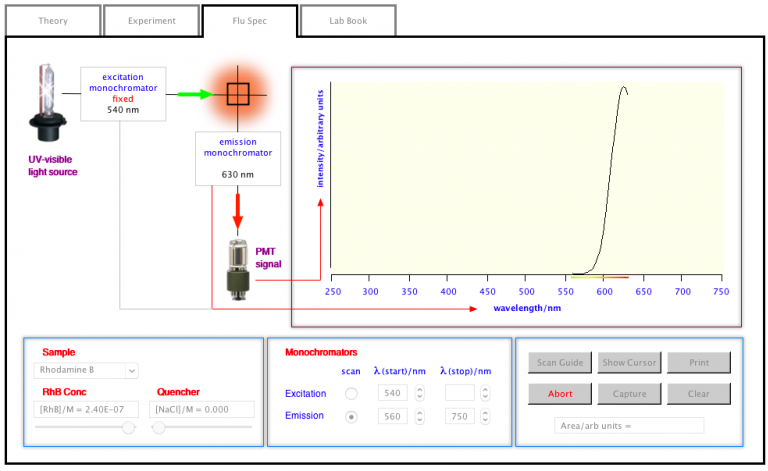
The material is designed for the undergraduate instrumental analytical chemistry course level. The activities have been provided in both Spanish and English versions below.
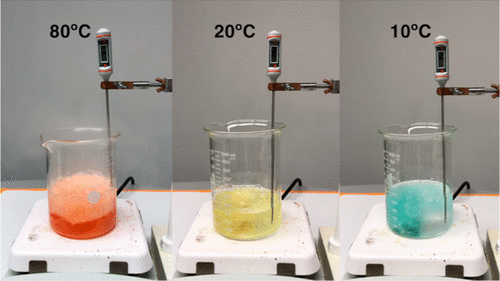
In this fun and colorful experiment, students make their own bath bombs and investigate the effect of temperature on reaction rates. by Meaghan Cabassa and Beth L. Haas* J. Chem. Educ. 2020, […]
Students tackle the deceptively simple task of determining the pressure of carbon dioxide gas inside a sealed soft drink can. By Hans de Grys, Journal of Chemical Education 2007, 84, 7, 1117 Abstract Soft drinks […]
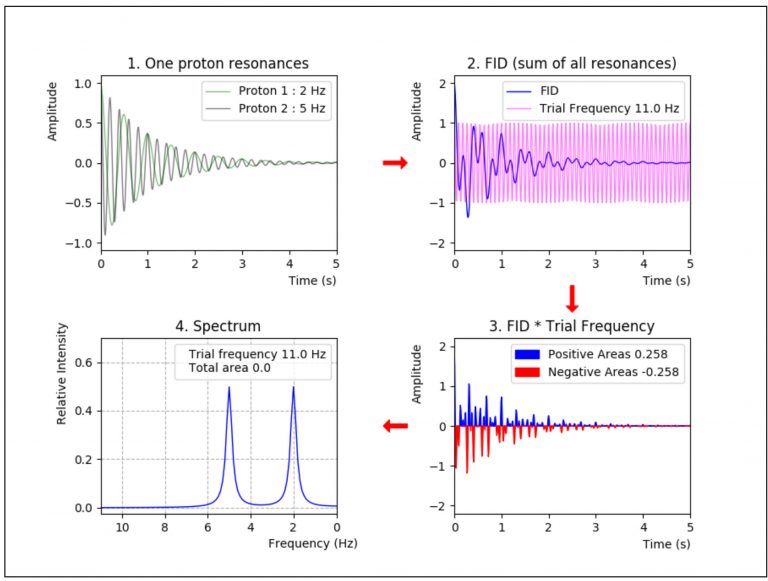
This Journal of Chemical Education article (J. Chem. Educ. 2020, 97, 263−264) by Yannick Esvan of Charnwood Molecular Ltd., Nottingham and Wael Zeinyeh of the University of Lyon describes a free web […]
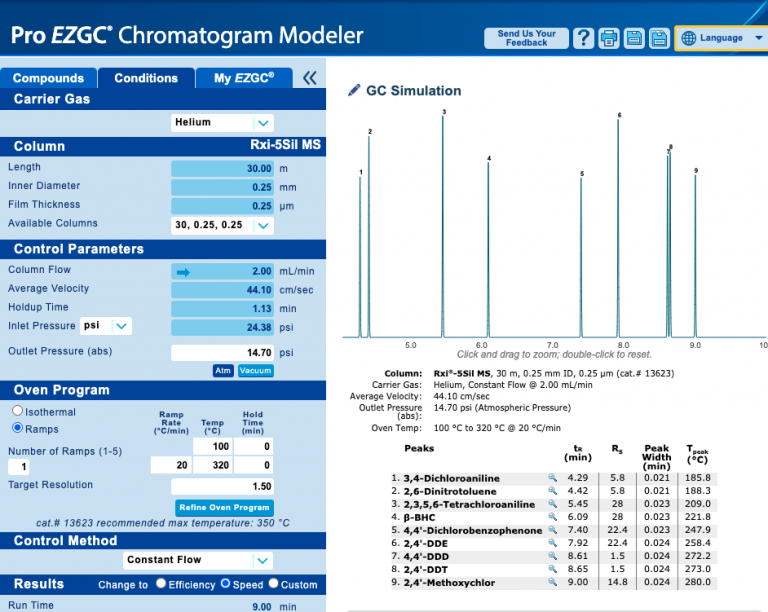
A simulation of gas chromatography analyses using a free web based simulation tool.
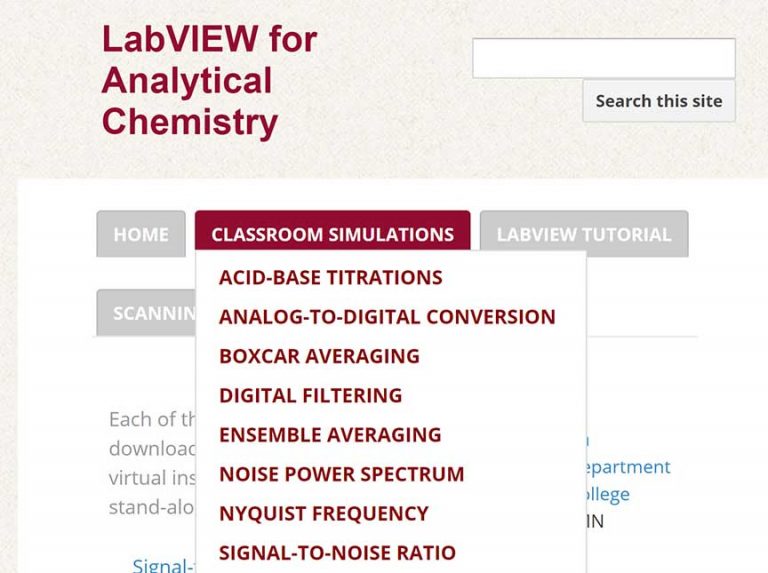
Created by Mark Jenson at Concordia College, this site, currently in the ASDL Collection, provides two useful resources for instructors and students of analytical chemistry. The first is a collection of LabVIEW […]
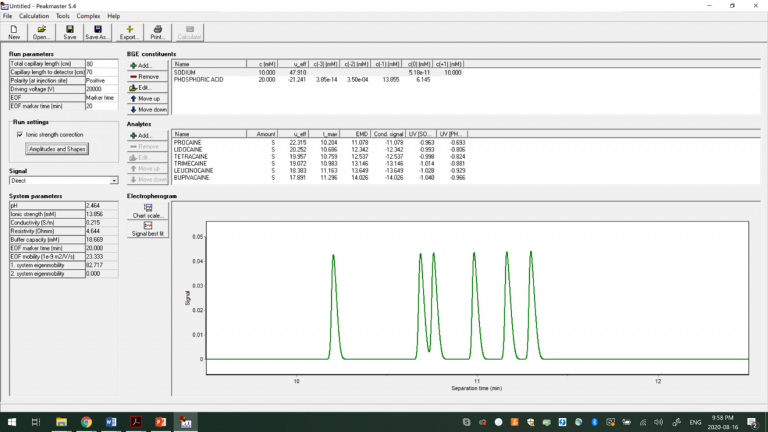
This lab simulation provides students with the ability to simulate capillary electrophoresis separations and explore the fundamental properties which influence the separaions.
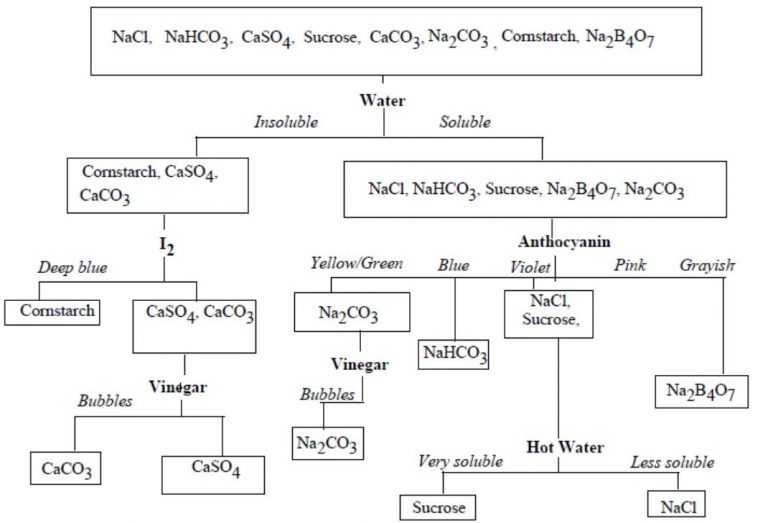
Students investigate 8 household white powders and classify them based on their physical and chemical properties. Using their findings, students then identify an unknown powder obtained from a crime scene to determine […]