Showing 193–204 of 214 posts

Central Limit Theorem

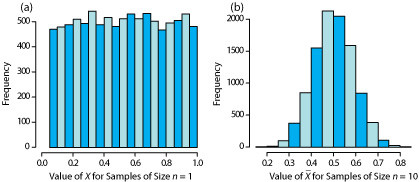
According to the central limit theorem, when an analysis is subject to a variety of indeterminate errors, the distribution of results for that analysis will approximate a normal distribution. As the number […]

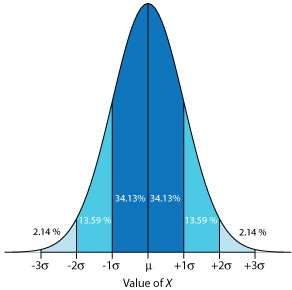
Normal Distribution

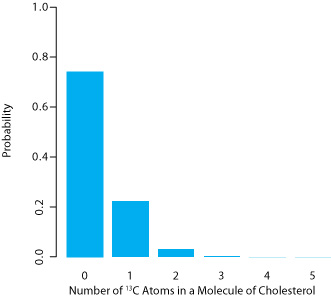
A binomial distribution describes a population whose members have only certain, discrete values. This is the case with the number of 13C atoms in cholesterol. A molecule of cholesterol, for example, can […]

Binomial Distribution

A binomial distribution describes a population whose members take on only certain, discrete values. This is the case, for example, with the number of 13C atoms in cholesterol because a molecule of […]

Indeterminate Errors and Noise

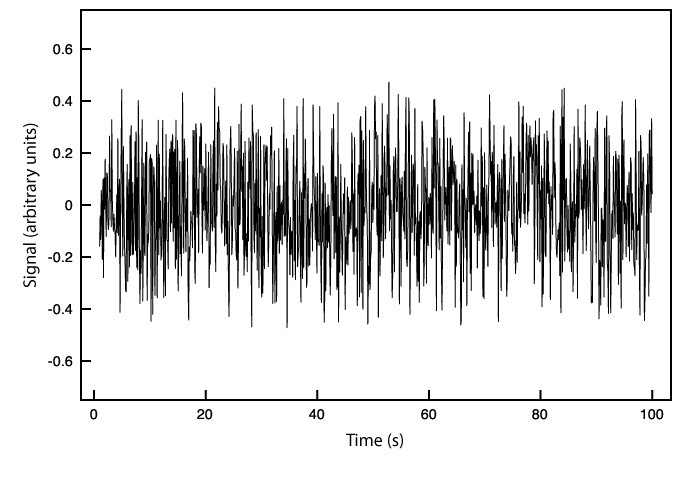
Indeterminate errors are random in nature and affect the reproducibility and repeatability of analytical measurements. We can assign indeterminate errors to several sources, including collecting samples, manipulating samples during the analysis, and making […]

Constant Determinate Errors

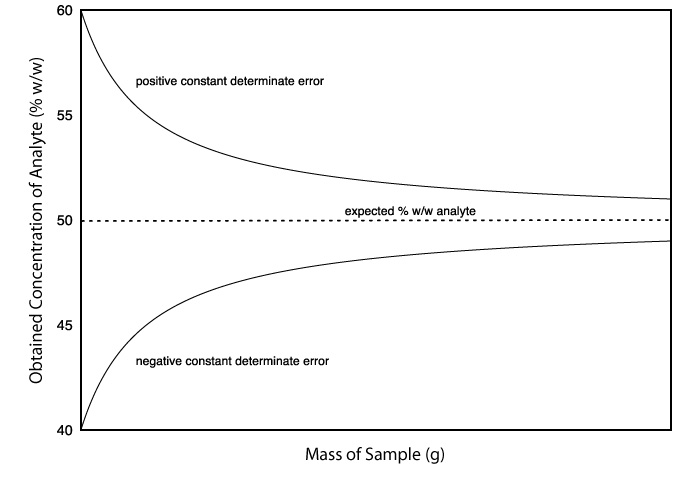
The magnitude of a constant determinate error is the same for all samples and is more significant when analyzing smaller samples. Analyzing samples of different sizes, therefore, allows us to detect a […]

Scale of Operations

Choosing an analytical methods requires a consideration of three potential limitations: the amount of sample available for the analysis, the expected concentration of analyte in the samples, and the minimum amount of […]

Precision

Two determinations of the concentration of K+ in serum, showing the effect of precision on the distribution of individual results. The data in (a) are less scattered and, therefore, more precise than […]

Volumetric Glassware

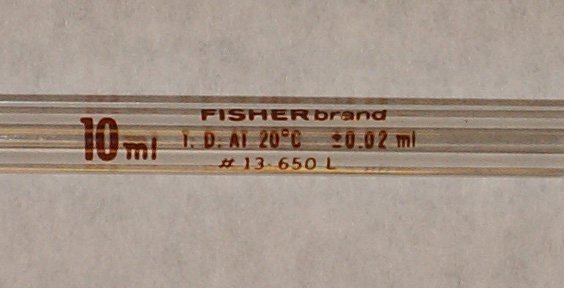
To measure volumes accurately and precisely, analytical chemists use volumetric pipets and volumetric flasks. A volumetric pipet is the choice when needing to deliver a specific volume. The photo below shows two […]

How an Electronic Balance Works

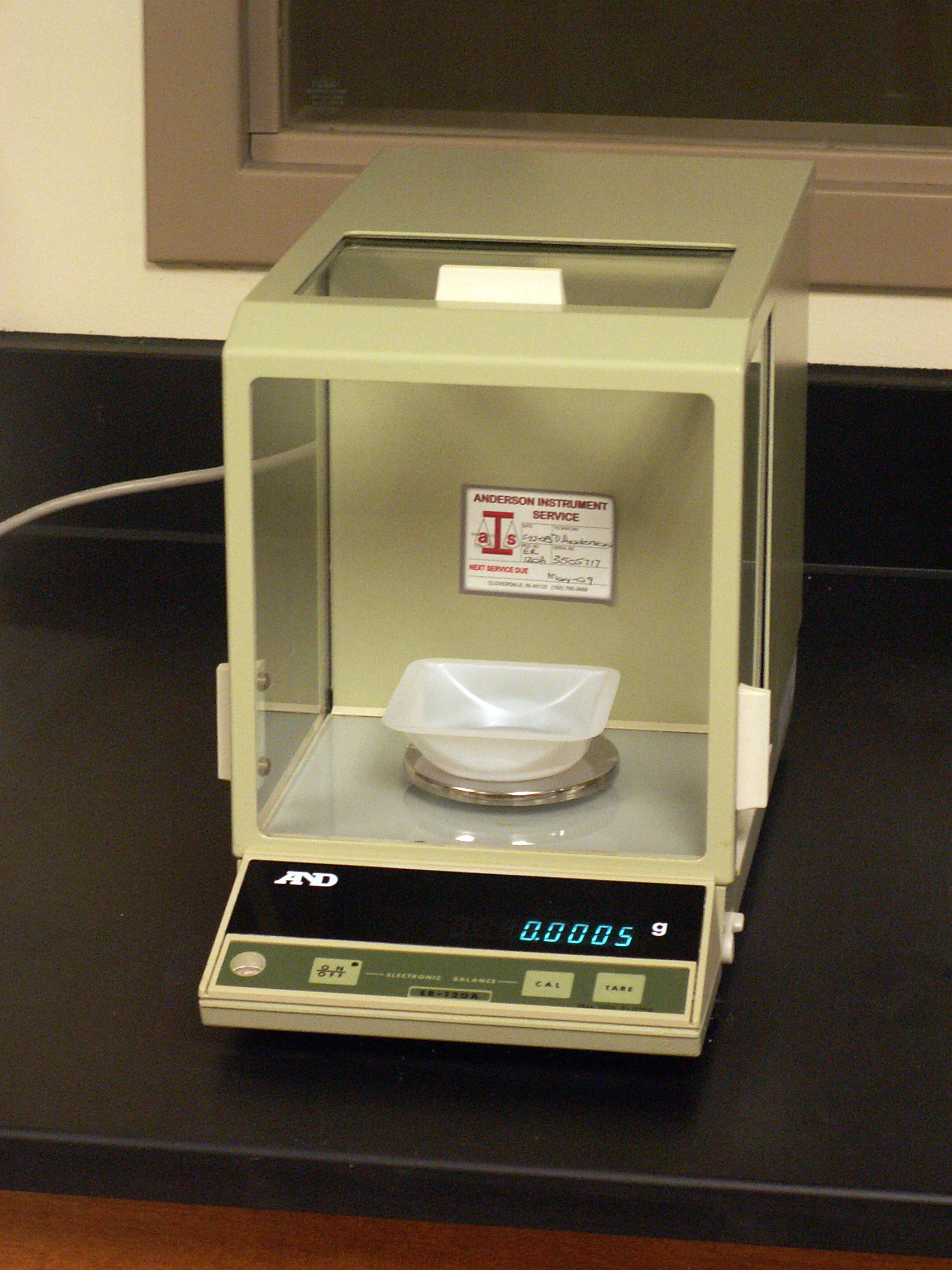
An electronic balance is the most common method for determining a sample’s mass. Here is how the electronic balance works. An electromagnet levitates the balance’s sample pan above a permanent cylindrical magnet. […]