
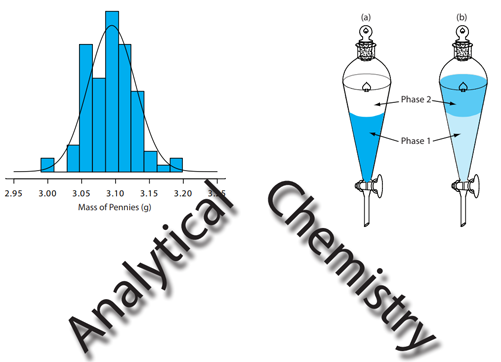
Analytical Chemistry 2.1 provides links to several resources for undergraduate education in Analytical Chemistry, including Resource Developed by: Dr. David Harvey, Depauw University, harvey@depauw.edu Active Learning Exercises to Accompany Analytical Chemistry 2.1 Developed […]
Active Learning Resources
Browse resources, explore categories, and discover materials contributed to the ASDL library.

This project provides students with a guided introduction to several topics of importance to the analysis of data; these are the: uncertainty inherent in measurements and how that uncertainty affects results importance […]
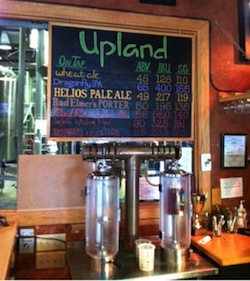
A laboratory project for instrumental analysis with the theme of quality control for a local microbrewery is described. The analyses of important flavor and aroma compounds can be easily modified to work […]
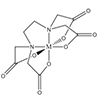
A series of collaborative learning activities and accompanying text that develop chemical equilibrium, including acid-base chemistry, formation of water-soluble complexes, and solubility are provided. These activities are intended to be done in […]
This e-module provides an introduction to the analytical chemist on the following topics: The significance of signal and noise in chemical measurements The origin of noise in chemical measurements How noise degrades […]
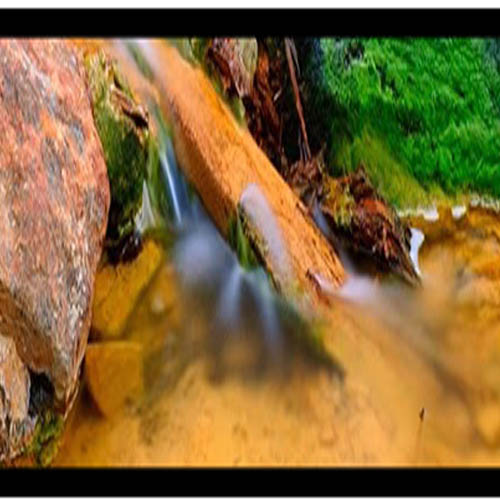
Introduction This laboratory project uses the context of Acid Mine Drainage to teach concepts important to analytical chemistry and quantitative analysis. Students set up experiments that mimic the process of metal sulfide […]
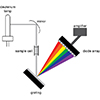
A series of collaborative learning activities and accompanying text that develop the areas of molecular and atomic spectroscopy is provided. Chapters on basics of spectrophotometry, ultraviolet/visible absorption, molecular fluorescence, infrared, Raman and […]
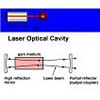
This module discusses basic concepts related to Lasers. Lasers are light sources that produce electromagnetic radiation through the process of stimulated emission. Laser light has properties different from more common light sources, […]
Students calculate the pH during the titration of a weak base. A text to accompany the worksheet is also provided.
Students examine solubility equilibria including the influence of pH and complexation of the metal species on solubility. A text that accompanies the worksheet and explains the answers to the questions is also available.
Students examine EDTA complexes and the influence of pH and other metal ions on complexation.
Students explore basic concepts of chemical equilibrium calculations when completing this activity.